
Sake brewing that combines tradition and innovation: Tsuwano’s climate and the passion of the brewers
For your information, we dicided to list my products at the Australian Business Fair to be held in Late Feburuary, 2026. If you are interested, Please contact us through our contact page.
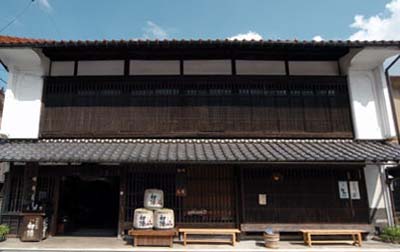
When talking about Furuhashi Sake Brewery’s sake brewing, it is essential to mention the climate of Tsuwano Town, the sake rice grown there, and the brewing water.
1. Sake rice grown in Tsuwano
Uijin’s main products, Junmai Daiginjo, Junmai Ginjo, and Junmaishu, are made using sake rice grown in Shimane. Specifically, Yamada Nishiki, known as the king of sake rice grown in Tsuwano, and Sakanishiki and Enishi no Mai, two unique sake rice varieties born in Shimane Prefecture.
Yamada Nishiki is an essential sake rice for brewing sake, producing a rich aroma and full-bodied flavor. Cultivating this rice in Tsuwano adds the unique characteristics of the land, creating a one-of-a-kind flavor.
On the other hand, Sakanishiki and En no Mai have large grains and a large central part called shinpaku, which results in a clear sake with little impurities. By using these rice varieties and maximizing the umami of the rice grown in Tsuwano’s climate, we have created a taste that has a strong umami flavor within the fruity notes of “Hatsujin,” making it a sake that you will never tire of drinking.
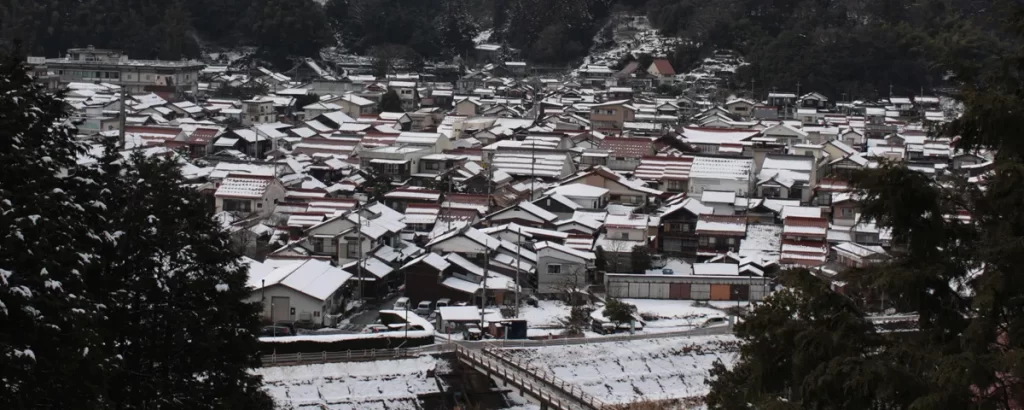
The farmland where sake rice is grown is located in the very upper reaches of Tsuwano, and has rich soil that is ideal for growing rice, and has long been known as a place suitable for rice cultivation.
First of all, farmland at high altitudes is rich in clean water, and since ancient times, the use of pesticides has been kept to a minimum out of consideration for the communities downstream, which has led to environmentally friendly, safe, high-quality rice production.
Next, the most important factor supporting rice cultivation is the soil. This clayey soil, called Kuroboku soil, was formed over many years from volcanic ash, and is rich in minerals, giving Tsuwano rice its unique flavor.
2. Ultra-soft natural underground water
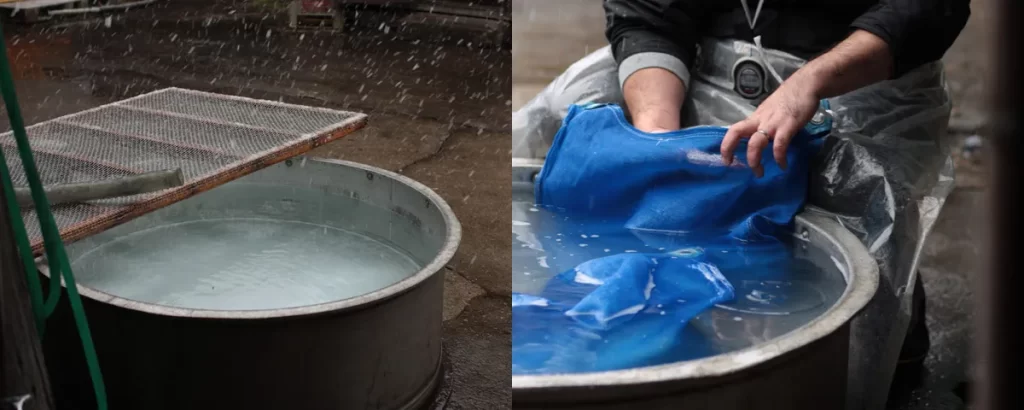
In sake brewing, the water used is one of the most important factors that influence the taste of the sake. Furuhashi Sake Brewery uses super soft natural underground water that springs from the mountain behind the brewery.
In winter, we load tanks onto trucks and go to collect spring water from the mountainside, so it’s important to keep an eye on the weather as the journey can be dangerous if there’s snow on the ground.
When brewed with soft water, the yeast ferments slowly over time, requiring careful consideration and skill to gauge the progress of fermentation. The gentle fermentation results in a delicate and soft mouthfeel. The clear taste characteristic of ultra-soft water also brings out the delicate flavor and aroma of the sake rice, making it perfect for the quality of sake that Hatsujin aims for, which is easy to drink.
3. The challenge of brewing all sake using pure rice
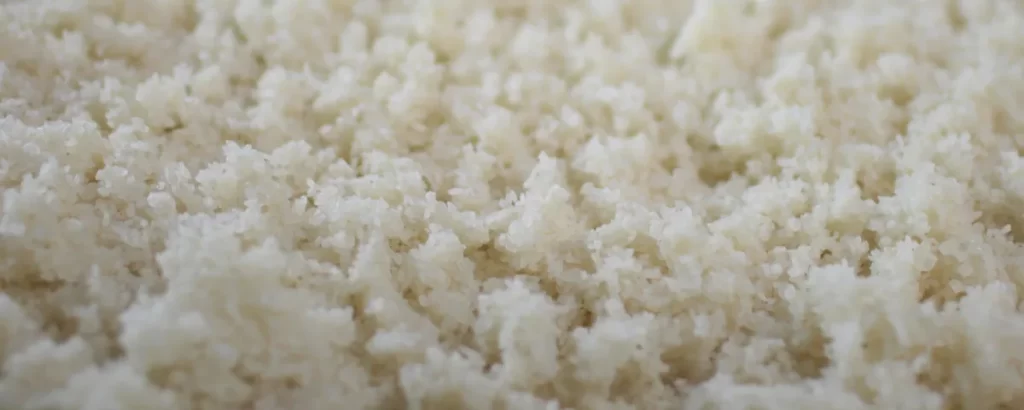
Since 2020, Furuhashi Sake Brewery has been brewing all of its sake using the “junmai brewing” method.
Junmai sake is made only from rice, rice koji, and water. Because no brewer’s alcohol is added, you can fully enjoy the rich flavor and aroma of the rice itself.
Although there are merits to honjozo sake, which has distilled alcohol added, we have focused on pure rice sake, which allows you to feel the power of rice more, as the “beginning sake” that Uijin aims to be.
The science of rice and enzymes that determine the flavor of sake
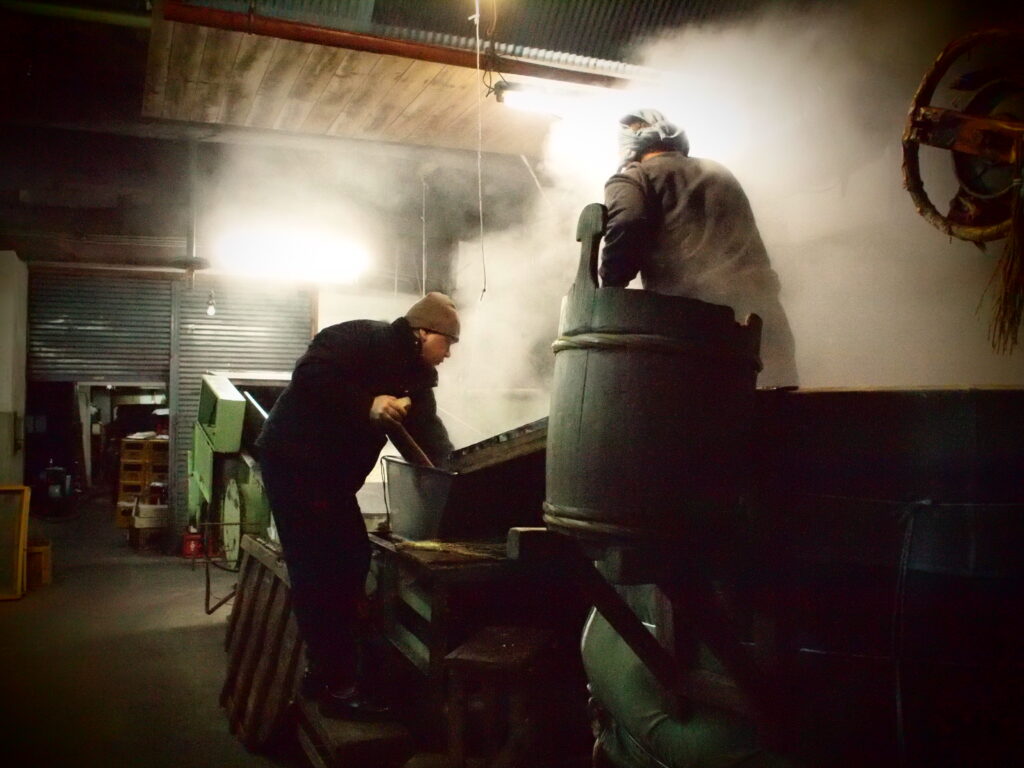
Tsuwano rice, grown in an ideal environment for rice cultivation, has a unique presence when it comes to sake brewing. The temperature difference between morning and evening makes the rice grains firm, and the rice accumulates an abundance of starch, resulting in sweeter rice. The quality of this starch has a major impact on the flavor of sake.
The two key enzymes in the sake brewing process are alpha-amylase and glucoamylase.
Alpha-amylase breaks down starch into larger units called oligosaccharides.
Glucoamylase breaks down the oligosaccharides into smaller molecules, down to glucose.
Yeast primarily uses glucose as a nutrient source for alcoholic fermentation, so the activity of glucoamylase determines the fermentation rate. Glucose also produces ethyl caproate, a compound that gives Junmai Daiginjo and Junmai Ginjo their distinctive fruity aroma, especially the apple-like aroma.
In pursuit of the ideal sake quality: the perfect balance of aromas
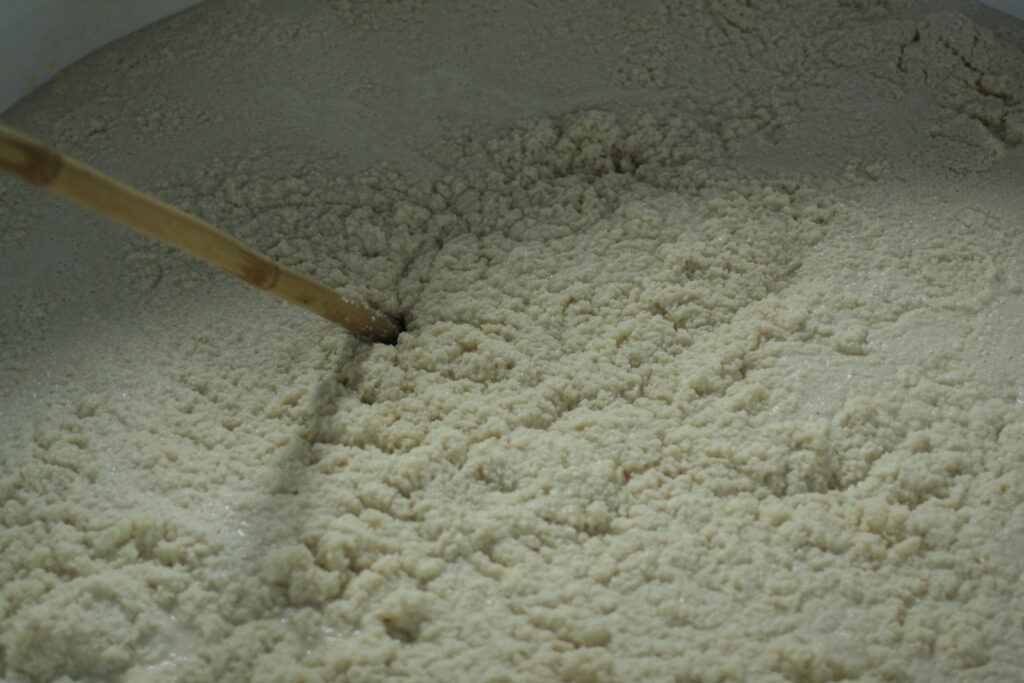
Sake breweries use a variety of techniques to achieve this balance of aromas. Ethyl caproate produces a gorgeous and attractive aroma, but if it is too strong, it can clash with the flavor of food and ruin a delicious meal. For this reason, techniques such as using less starter koji when making koji are sometimes used to intentionally suppress the activity of glucoamylase.
Amino acids produce isoamyl acetate, a refreshing fragrance**. This component is responsible for the sweet, mellow aroma reminiscent of bananas and pears. By carefully calculating the balance of ethyl caproate and isoamyl acetate** during brewing, sake breweries create sake with a rich flavor that is both vibrant and complements food.
Rice grown in Tsuwano truly embodies terroir, making the most of the bounty of the soil and the advantages of the climate. The sake made using this rice, combining traditional techniques with modern scientific knowledge, is a one-of-a-kind masterpiece that embodies the passion of the local people and the richness of nature.
Components of terroir that determine the taste and aroma of a wine:
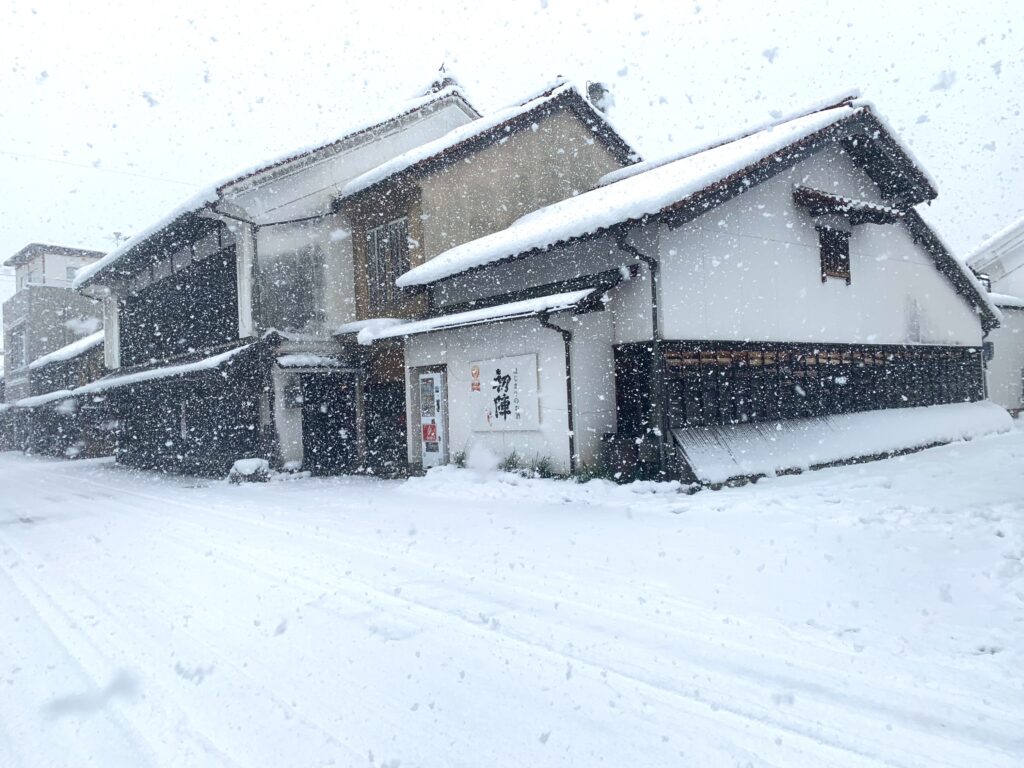
Climate: Summers are hot and humid, while winters are bitterly cold and snowy, resulting in large temperature fluctuations throughout the year. The annual amount of precipitation is high, and thanks to the snow that falls in winter, the mountain soil absorbs meltwater, creating an abundance of spring water.
The temperature also fluctuates greatly throughout the day, with mornings often chilling and daytime temperatures rising, making it ideal for rice and sake brewing. In particular, the cold winters allow the sake to ferment slowly, resulting in sake with fewer impurities and easy drinking.
Soil : The clayey soil known as Kuroboku soil, which was formed over many years from volcanic ash soil, has good drainage and water retention, and has long been known as suitable soil for growing rice. The soil is rich in minerals. Taking advantage of this rich soil, vegetables and flowers are cultivated in addition to rice.
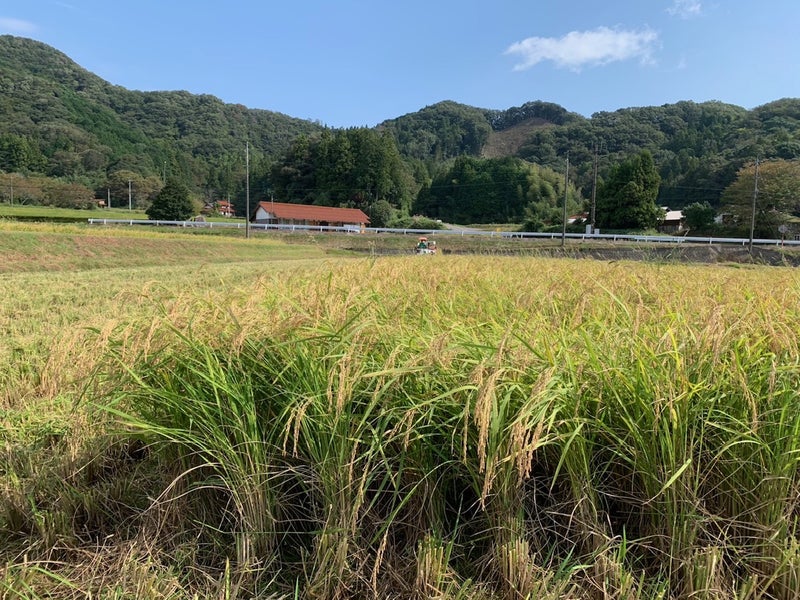
Topography : The rice farmland is located at an altitude of 300m, has a slope, and is well-sunlit, making it ideal for growing rice.
Evaluation in Japan
Taking advantage of these natural conditions, the brewery has honed its sake-brewing techniques, switched to brewing only pure rice sake and started using spring water for brewing. In recent years, the brewery has been achieving increasing success in competitions, including winning the Grand Gold Award at the Delicious Sake in a Wine Glass Awards (winning the Grand Gold Award for four consecutive years in 2022, 2023, 2024, and 2025).
The points evaluated in the competition are as follows:
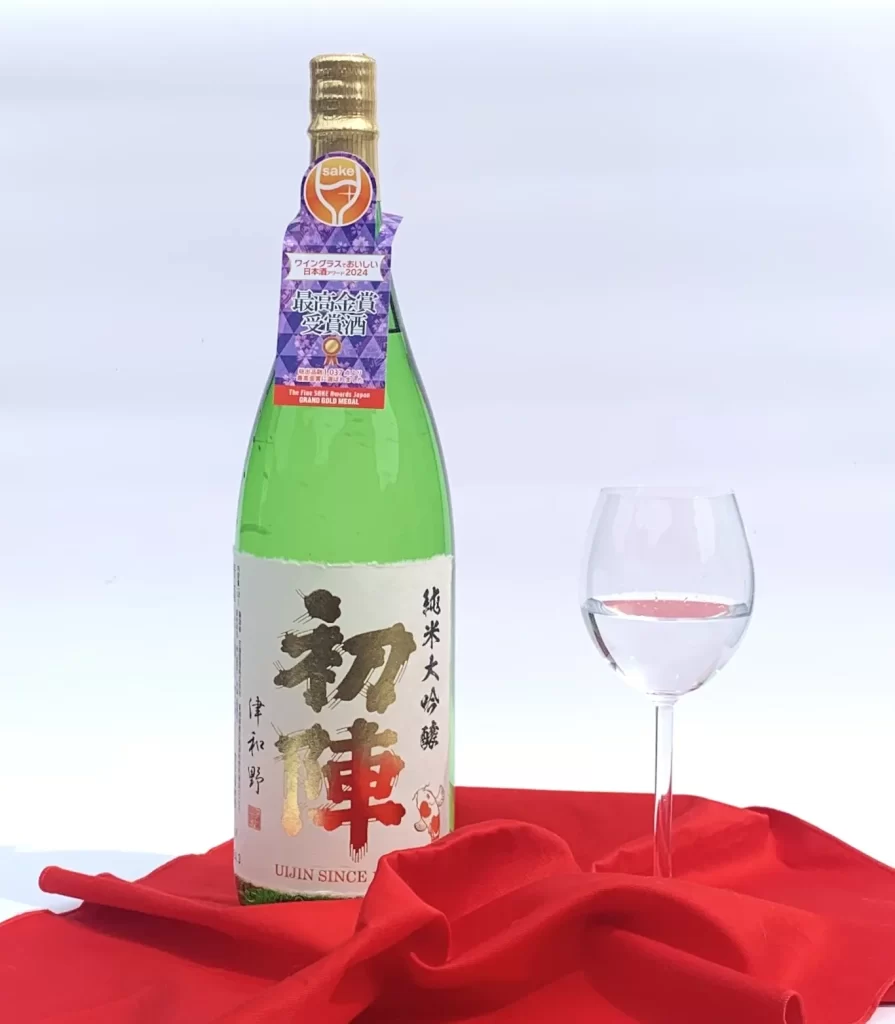
- About Junmai Daigin Daiginjo
- It’s very fruity and easy to recommend to customers who like fruity flavors.
- It has a sweet, full-bodied peach-like aroma and a well-balanced flavor. It can be enjoyed both with a meal and as an aperitif. It’s versatile and has a strong umami flavor.
- It has a sharp taste and a gorgeous aroma.
- It also harmonizes well with the slightly sweet flavor.
- About Junmai Ginjo
- It has a rich aroma and a calming, rounded, and refreshing taste.
- Well-balanced and well-balanced. You won’t get tired of drinking it.
- Light to drink and delicious aftertaste.
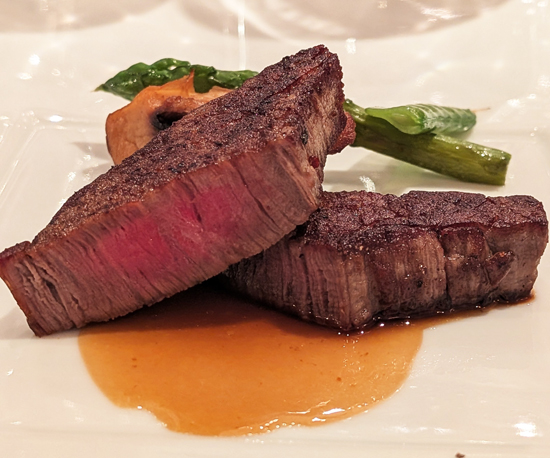
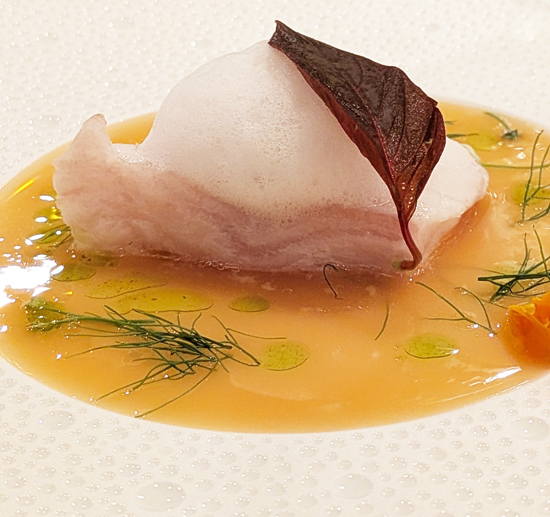
Overseas evaluation
We have a track record of exporting to Germany, the UK, Spain, Taiwan, China, and Hong Kong.
In particular, Germany and Taiwan have been building stable relations for around 10 years.